
## Limin Packaging’s Full-Chain Practice Empowering Yushu Specialty Products Nationwide
Located in the heart of the Qinghai-Tibet Plateau at the source of the Three Rivers, Yushu Tibetan Autonomous Prefecture is known for its pristine ecology and unique agricultural and livestock resources. Products such as yak meat and Tibetan sheep, raised in high-altitude natural pastures, represent some of China’s most distinctive regional specialty foods.
In recent years, as Yushu accelerates the high-quality development of its ecological agriculture and animal husbandry sector, the region has been transitioning from resource advantages to industrial advantages and ultimately brand advantages. A critical question has emerged in this process: how can premium plateau products be seen, trusted, and chosen by consumers across China?
Shanghai Limin Packaging Materials Co., Ltd., a professional service provider specializing in functional and branded packaging solutions, has participated in this transformation through a full-chain empowerment approach. By using packaging as a strategic lever, Limin Packaging has helped unlock the market value of Yushu’s specialty products in a practical and scalable way.
## From “Good Products” to “Strong Brands”: Addressing Core Industry Challenges
During the initial research phase, the Limin Packaging project team conducted in-depth field studies across Yushu City and its five counties. The team examined production, circulation, and sales scenarios for local agricultural and livestock products.
The research revealed that despite Yushu’s strong ecological advantages and resource scarcity, several challenges hindered broader market expansion:
* Fragmented packaging styles, making it difficult to establish a unified regional brand identity
* Products sold mainly in primary form, resulting in limited added value and pricing power
* Complex plateau logistics, placing higher demands on packaging structure and freshness preservation
* Limited consumer awareness of origin ecology and quality standards, increasing trust barriers
These issues could not be solved through design or materials alone. Instead, they required a systematic solution integrating branding, technology, logistics, and consumer trust.
## A Systematic Solution: Scenario-Based Packaging Across the Entire Sales Chain
Rather than focusing solely on packaging design, Limin Packaging adopted a scenario-driven approach, building packaging systems backward from actual sales environments. The resulting solutions cover e-commerce, supermarkets, and offline retail channels.
### E-commerce Packaging: Freshness, Safety, and Efficiency
For online sales, the project prioritized product protection and logistics efficiency:
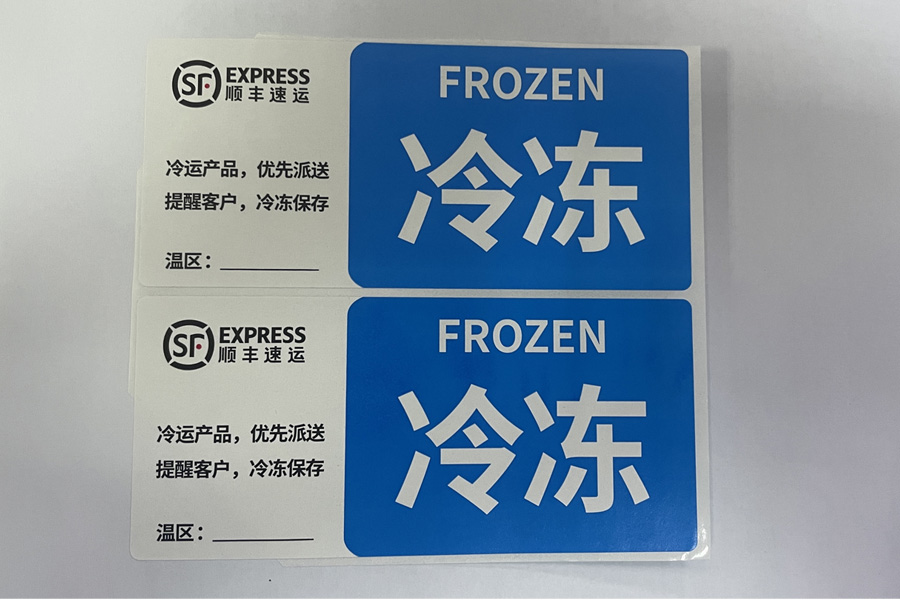
* Combined use of food-grade trays, aluminum insulation materials, and corrugated structures to balance cold-chain stability and cost control
* Anti-counterfeiting seals and standardized size designs to improve logistics turnover and reduce damage rates
### Retail and Supermarket Packaging: Display and Consumer Experience
In offline retail scenarios, packaging emphasized shelf appeal and ease of use:
* Easy-tear openings and moisture-resistant lamination to enhance visual quality and user experience
* Flexible combinations of insulation materials to support “grab-and-go” consumer behavior
Every structural choice and technical parameter was based on integrated analysis of product characteristics, transport conditions, and consumer behavior, ensuring solutions were not only usable, but durable and replicable.
## Digital Traceability: Making Trust Verifiable
As high-altitude agricultural products reach national markets, consumer trust becomes a decisive factor in repeat purchases and brand building.
To address this, Limin Packaging embedded a digital traceability system directly into the packaging design. Each product features a dedicated QR code that allows consumers to access verified information, including:
* Product origin details (down to specific counties)
* Yak or livestock growth cycles and environmental conditions
* Producer qualifications and batch information
* Cold storage standards and execution records
* Key traceability checkpoints from production to distribution
This transparent “pasture-to-table” information system lowers purchase decision barriers and aligns with Yushu’s ongoing efforts to strengthen quality supervision and standardization across its agricultural industry.
## From Project Implementation to Industry Value: Packaging as Invisible Infrastructure
With the rollout of unified packaging systems and digital traceability solutions, Yushu specialty products are now appearing across e-commerce platforms, supermarkets, and offline retail channels with a clearer and more consistent brand image.
Feedback from government inspections, industry promotions, and market channels indicates that standardized packaging is functioning as invisible infrastructure:
* Enhancing product recognition and consumer trust
* Laying a sustainable physical and technological foundation for long-term regional brand development
This practice aligns closely with Yushu’s broader strategy of driving high-quality ecological agriculture through institutional innovation and full-chain upgrades.
## Conclusion: Long-Term Commitment to Plateau Value
For Limin Packaging, the Yushu project is not a one-time commercial engagement, but a long-term commitment to participating in rural revitalization and regional industrial upgrading through professional expertise.
Looking ahead, Shanghai Limin Packaging Materials Co., Ltd. will continue to focus on standardized digital packaging, brand empowerment, and full-chain services, supporting more regional specialty products in building sustainable market value.
When packaging evolves beyond appearance and becomes a bridge connecting ecology, industry, and the market, the gifts of the plateau gain a solid pathway to reach national consumers—and a more sustainable future beyond.